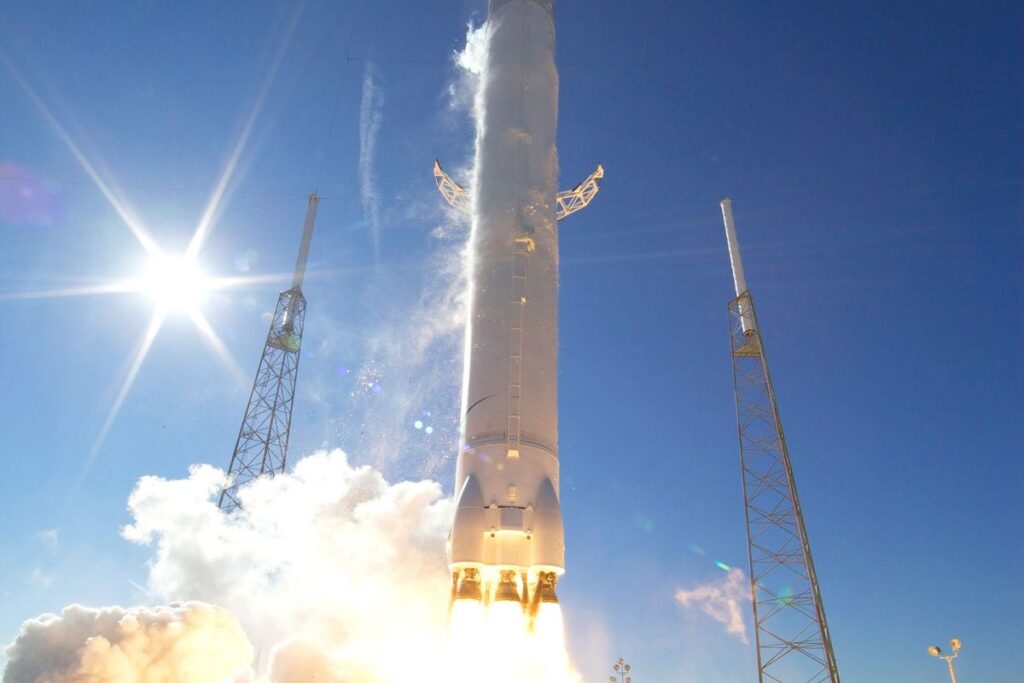
In spaceflight, “routine” is a word engineers try never to use, and this week showed why. On Sunday, 15 November, a Vulcan Centaur rocket from United Launch Alliance lifted off from Cape Canaveral carrying 40 satellites for Amazon’s Leo internet network. About ten minutes later, the mission was lost, along with every satellite on board.
For ULA, the joint venture of Boeing and Lockheed Martin, it is a painful first. The company built its name on two decades of reliability, and this is its first outright mission failure. Vulcan is supposed to be its new workhorse, flying regularly for customers like Amazon.
So far, very little is known, and that is normal. ULA confirmed the loss from data received by its launch director and promised to analyse telemetry with Amazon and its partners. Investigations like this usually take weeks or months, as teams rebuild the flight second by second before a rocket is cleared again.
The timing offers one clue. A failure around ten minutes into flight points to the later stage of the climb rather than the dramatic first moments.
For Amazon, the loss means delays in building its satellite network. The Vulcan rocket failure explainer looks at what comes next for both companies.
