Seismologists have long known a simple rule about our restless planet. Tiny tremors happen all the time, moderate quakes are rarer, and truly destructive ones are rare indeed. Describing the pattern is easy. Explaining the physics behind it has been surprisingly hard.
A team at the University of Michigan thinks part of the answer lies not on the fault itself but in the shattered rock around it. Most computer models treat a fault as one clean sliding surface. The new model, developed by Peng Zhai and led by geophysicist Yihe Huang, adds the damaged belt of stone on each side.
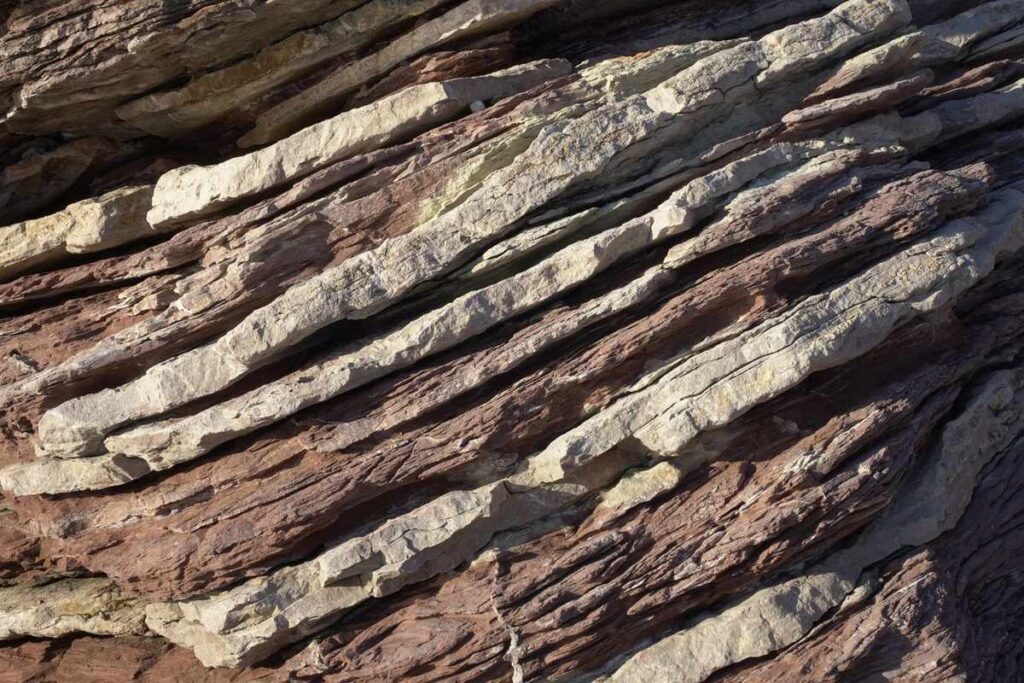
Every rupture cracks that zone a little more, and between earthquakes the cracks slowly heal. Huang uses California’s San Andreas system as an example: from above, it looks less like a neat line and more like a wide field of broken rock stretching hundreds of metres or even kilometres.
The researchers simulated the whole cycle, from stress slowly building up to a rupture spreading and the rock recovering, over periods from seconds to centuries. Their results, published in Science Advances, reproduce several classic features of real earthquakes within one physical picture.
The original small earthquakes article explains the findings in more detail.
