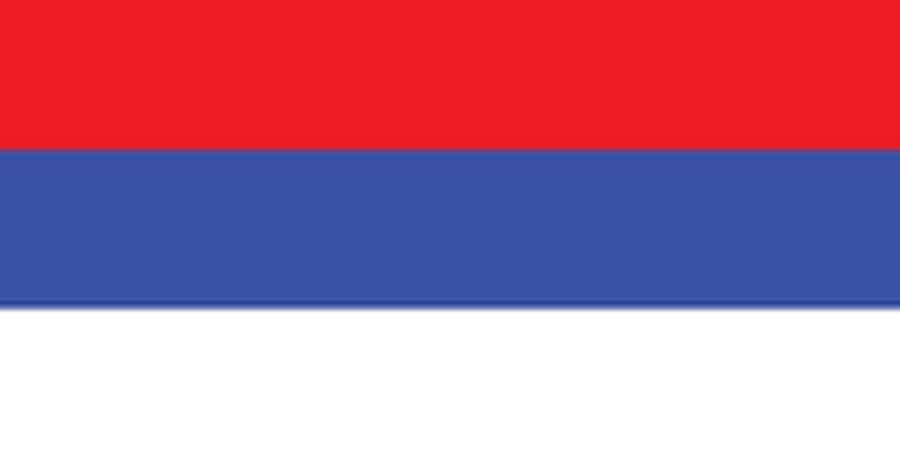
Republika Srpska (Serbian Cyrillic: Република Српска, literally “Serb Republic”) is one of the two political entities of the state of Bosnia and Herzegovina. The other is the Federation of Bosnia and Herzegovina. In addition, there is the autonomous Brčko District.
Key Facts
Origins: It was proclaimed by Bosnian Serb leaders in 1992 at the start of the Bosnian War. It was officially recognized as one of the two entities of Bosnia and Herzegovina under the Dayton Peace Agreement of December 14, 1995.
Territory: It comprises approximately 49% of the territory of Bosnia and Herzegovina, located primarily in the north and east of the country. The territory is not geographically contiguous and is split by the Brčko District.
Capital: *De jure*, Sarajevo (East Sarajevo) is the capital; *de facto* and administratively, Banja Luka is the seat of government and the largest city.
Population: The 2013 census recorded a population of around 1.23 million. Approximately 83% are Serbs, alongside minorities of Bosniaks (approx. 13%) and Croats (approx. 2%).
Political Structure: Republika Srpska possesses extensive autonomy—including its own government, parliament (National Assembly), judiciary, and police force. However, it no longer has its own army (this was integrated at the state level). Its powers are, in some respects, so extensive that they resemble those of a sovereign state.
Current Status (as of 2026)
Following the removal from office of long-time President Milorad Dodik (due to non-compliance with decisions made by the international High Representative), early presidential elections were held in 2025/2026. Siniša Karan (SNSD) was elected the new president and sworn in in February 2026.